Existing Macadam (Resurfacing)
Understanding Resurfacing
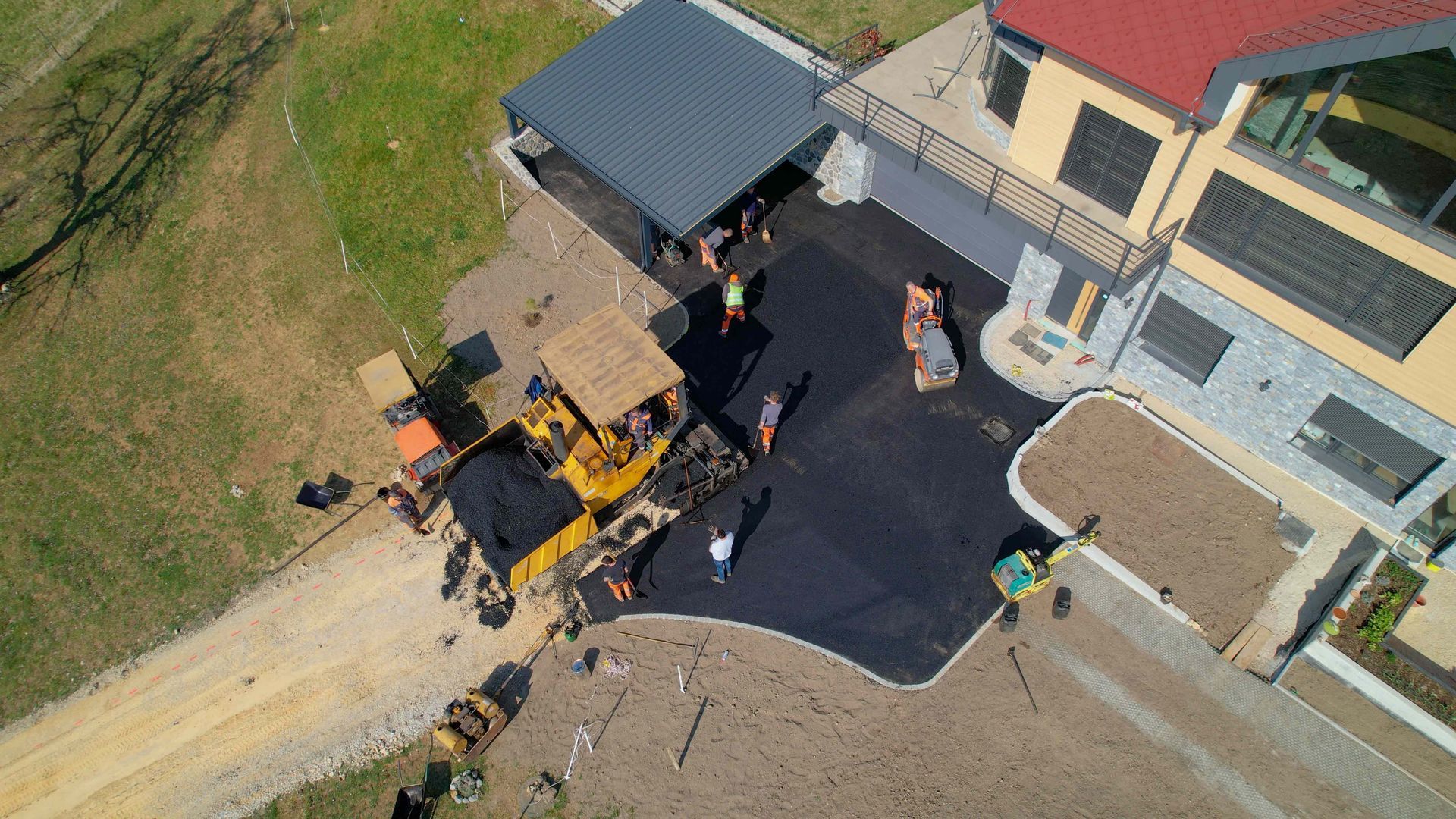
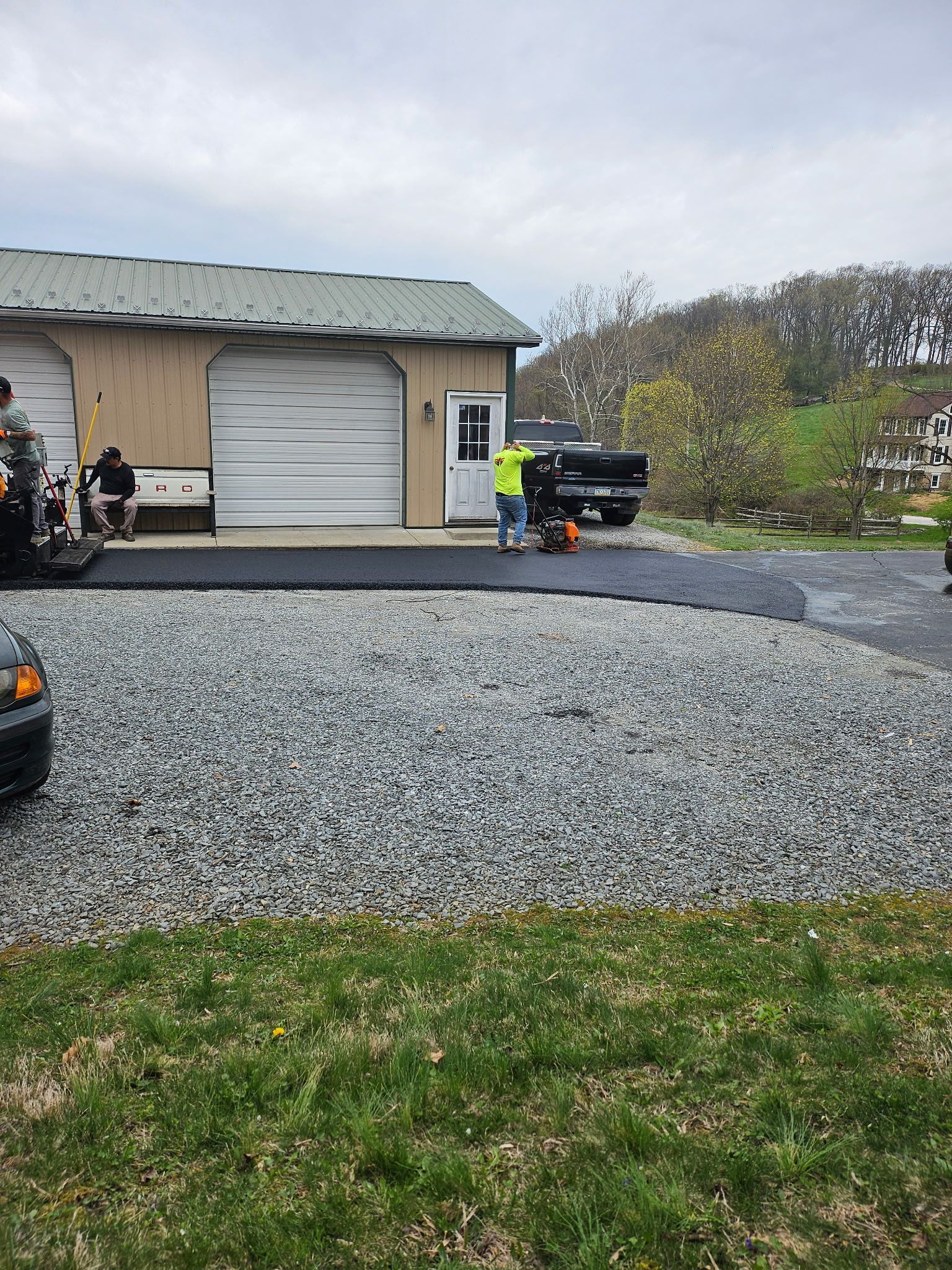
Resurfacing over existing macadam (asphalt) can be a practical and cost-effective solution—if the current surface is in suitable condition. Proper preparation is key to achieving a durable and visually appealing result.
Before resurfacing, damaged areas such as cracks, potholes, or severely deteriorated sections should be removed and pre-patched. This ensures a stable base for the new layer.
While resurfacing is generally more affordable than a full replacement, it’s important to understand the trade-offs.
Pros of Resurfacing
Lower upfront cost compared to a full tear-out and rebuild
Faster project completion
Improved appearance of worn asphalt
Less labor-intensive than starting from scratch
Cons of Resurfacing
Shorter lifespan — typically about half the life expectancy of a brand-new installation
Dependent on existing surface condition
Underlying issues may persist if not properly addressed beforehand
Not suitable for severely damaged or unstable bases
Life Expectancy
The longevity of resurfacing varies based on:
The condition of the existing macadam
Quality of preparation and patching
Weather conditions and usage
On average, resurfacing lasts significantly less time than a full-depth installation.
New Macadam Installations
Building From the Ground Up
A new driveway or project—whether replacing existing materials or excavating fresh ground—should always begin with a strong and stable foundation.
Before construction begins, all safety requirements must be addressed, including identifying and avoiding underground utilities such as electrical and gas lines.
Installation Process
1. Excavation & Preparation
Remove existing materials or dig out the required area to proper depth.
2. Stone Base Installation
Install a 6–10 inch stone base, then power compact it to create a solid foundation.
Different projects may require different grades of stone, especially in softer ground conditions.
3. Grading & Drainage
Ensure the surface is properly graded for approximately 80% water drainage, or as required for the specific project.
4. Base Layer (Binder Course)
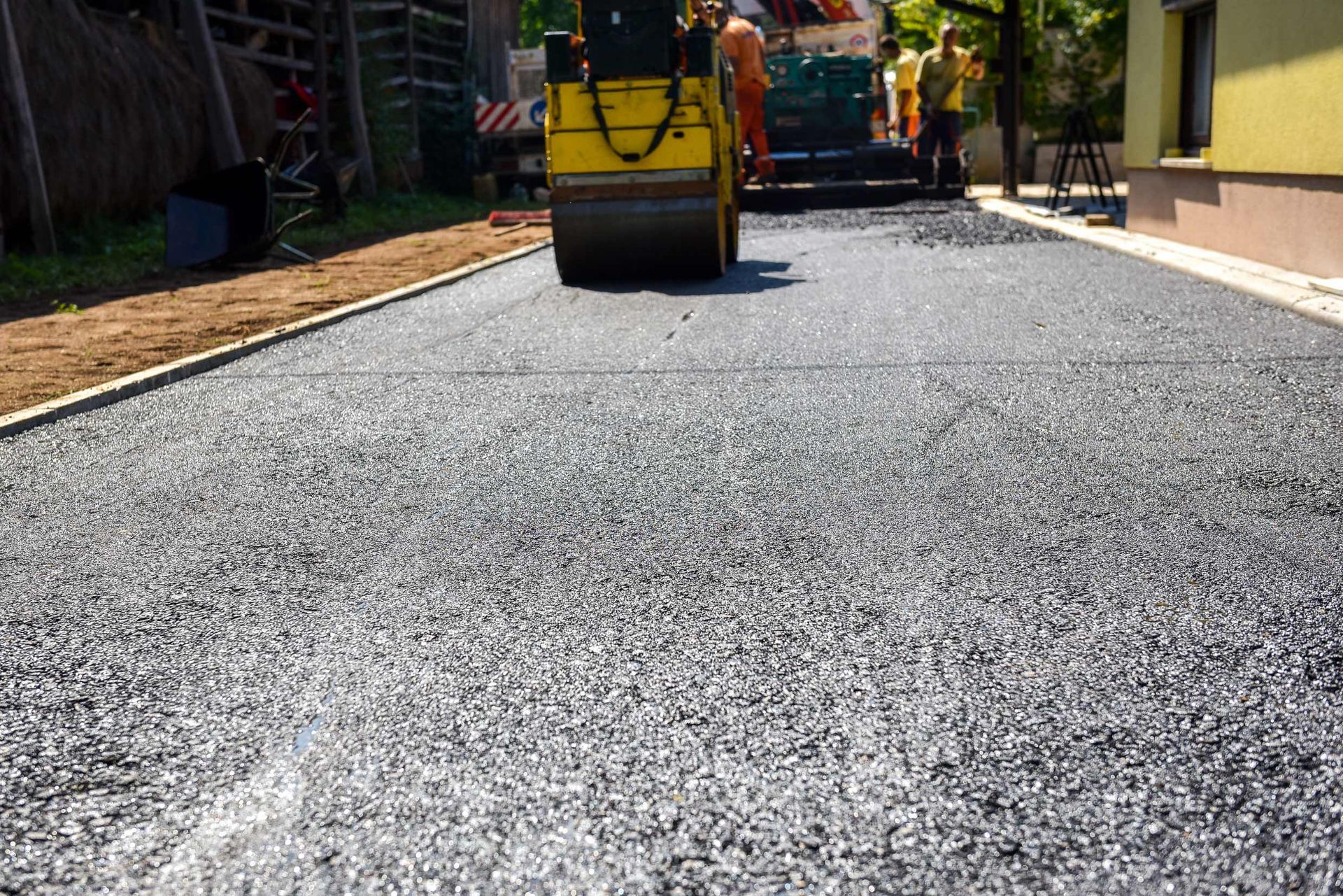
Apply approximately 2½ inches of base mix macadam, then power compact.
5. Top Layer (Wearing Course)
Install 2 inches of fine mix macadam to create a smooth, finished surface that ties in flush with:
- Sidewalks
- Garages
- Street connections
- Finishing Touches
6. Finishing Touches
Apply hot tar to all joints and seams for durability and a clean finish.
Benefits of New Installation
Maximum lifespan and durability
Stronger structural integrity
Proper drainage from the start
Fewer long-term repairs
Frequently Asked Questions
How long before I can drive on my new driveway?
You should wait 3 to 5 days, depending on temperature and weather conditions, before using your driveway.
When should macadam be sealed?
Asphalt should cure for 6 months to 1 year before applying a sealcoat. Sealing too early can trap oils and reduce effectiveness.
Is a permit required?
In most cases, yes. Permit requirements vary by township. You can:
- Check directly with your local municipality, or
- Ask your contractor to handle the verification process